

2026-11-09T03:30:13
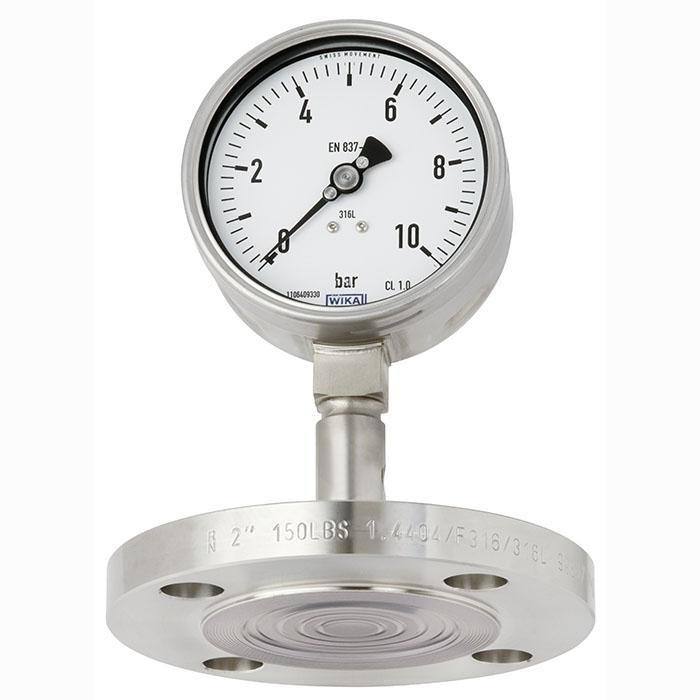
What Is a Diaphragm Pressure Gauge? Diaphragm Pressure Gauges measures pressure using a flexible membrane, typically circular and corrugated. When pressure acts on the diaphragm, it deflects. A mechanical linkage transfers this movement to a pointer, which displays the pressure on a graduated dial. Compared with conventional Bourdon tube gauges, diaphragm pressure gauges can be better suited to certain low-pressure applications and process conditions involving difficult media. Key Features of Diaphragm Pressure Gauges - Sensitive pressure measurement: Suitable designs can measure relatively low pressures. - Diaphragm-based sensing: Pressure is converted into mechanical movement through a flexible membrane. - Material flexibility: Depending on the model, wetted components may be available in stainless steel or specialized corrosion-resistant materials. - Different connection options: Threaded and flanged configurations are available for different applications. - Process compatibility: Certain designs are suitable for viscous, contaminated or aggressive media. - Overpressure protection: Some models offer specific overload protection, depending on their construction and rated specifications.
Have a question? Ask here!
Required fields are marked *